Automated Trading Systems: Passive Income Through Technology
How professional automated trading systems can generate consistent returns with minimal time investment.
What Are Automated Trading Systems?
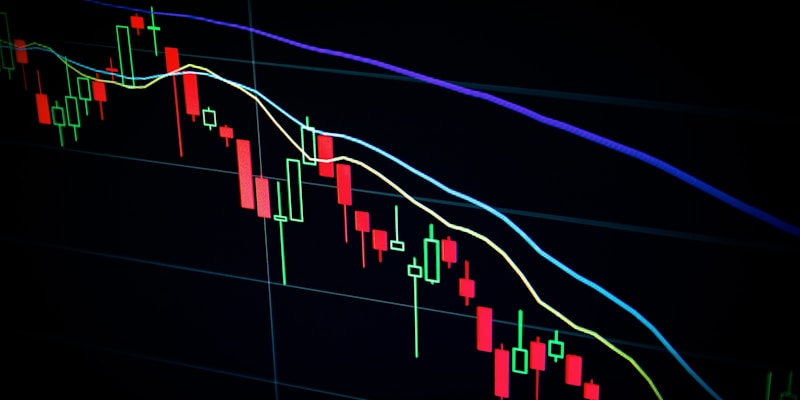
Automated trading systems, also known as algorithmic trading or "trading bots," are computer programs that automatically execute trades based on pre-programmed rules and market conditions. These systems can operate 24/7, making split-second decisions without human emotions or fatigue affecting performance.
Professional traders and institutions have used automated systems for decades, and now retail investors can access similar technology to potentially generate passive income from financial markets.
🤖 How Automated Trading Works
- Market Analysis: Scans multiple markets and timeframes simultaneously
- Signal Generation: Identifies trading opportunities based on algorithms
- Risk Management: Applies stop-losses and position sizing rules automatically
- Order Execution: Places trades instantly when conditions are met
- Performance Monitoring: Tracks results and adjusts strategies as needed
Benefits of Automated Trading for Passive Income
1. Eliminates Emotional Trading
Fear and greed are the biggest enemies of profitable trading. Automated systems execute trades based on logic and data, not emotions. This leads to more consistent results and better adherence to trading strategies.
2. 24/7 Market Monitoring
While you sleep, work, or enjoy life, your trading system continues scanning markets for opportunities. This is especially valuable in forex markets that trade around the clock.
3. Backtesting and Optimization
Before risking real money, you can test strategies on years of historical data to see how they would have performed. This helps identify the most profitable approaches.
4. Diversification Across Markets
A single system can trade multiple currency pairs, stocks, or commodities simultaneously, spreading risk and increasing profit opportunities.
Types of Automated Trading Systems
1. Forex Trading Robots

Forex robots are designed specifically for currency trading. The foreign exchange market's 24/5 nature makes it ideal for automated systems.
Popular Forex Pairs for Automation:
- EUR/USD: Most liquid pair, tight spreads
- GBP/USD: Good volatility for profit opportunities
- USD/JPY: Predictable trends during Asian session
- AUD/USD: Benefits from commodity price movements
🏆 Professional System Recommendation: Systems like the WallStreet Forex Robot 3.0 have demonstrated consistent profitability over 10+ years of live trading, making them suitable for serious passive income generation.
2. Stock Market Algorithms
These systems focus on equity markets, often using fundamental analysis, technical indicators, or sentiment analysis to make trading decisions.
Common Stock Trading Strategies:
- Mean Reversion: Buy oversold stocks, sell overbought ones
- Momentum Trading: Follow strong trends in either direction
- Pairs Trading: Trade relationships between correlated stocks
- Arbitrage: Exploit price differences across markets
3. Cryptocurrency Bots
With crypto markets never sleeping, automated systems are particularly valuable for digital asset trading.
Advantages in Crypto Markets:
- 24/7 operation matches market hours
- High volatility creates more opportunities
- Multiple exchanges offer arbitrage possibilities
- Lower barriers to entry than traditional markets
Setting Up Your First Automated Trading System
Step 1: Choose Your Market
Start with markets you understand. Forex is popular for beginners due to high liquidity and 24/5 trading hours.
Step 2: Select a Trading Platform
Popular Platforms for Automated Trading:
- MetaTrader 4 (MT4): Most widely used for forex automation
- MetaTrader 5 (MT5): Supports stocks, futures, and forex
- TradingView: Excellent for strategy development and backtesting
- Interactive Brokers: Professional-grade platform with API access
Step 3: Choose Your Trading System
You can either:
- Buy a proven system: Faster setup, established track record
- Develop your own: Complete control, requires programming skills
- Use a trading service: Professional management, higher fees
Step 4: Backtesting and Paper Trading
Never start with real money. Test your system thoroughly:
- Backtest on 2-5 years of historical data
- Forward test on a demo account for 1-3 months
- Start with small amounts when going live
Risk Management in Automated Trading
⚠️ Critical Risk Management Rules
- Never risk more than 2-5% per trade
- Use stop-losses on every trade
- Diversify across multiple systems/markets
- Monitor performance regularly
- Have a plan for system failures
Position Sizing Strategies
- Fixed Fractional: Risk same percentage per trade
- Kelly Criterion: Adjust size based on win probability
- Martingale (Avoid): Doubling down on losses is dangerous
Diversification Approaches
- Multiple Currency Pairs: Spread forex risk across different economies
- Various Timeframes: Combine scalping, day trading, and swing strategies
- Different Strategies: Mix trend-following with mean-reversion systems
Realistic Income Expectations

Conservative Expectations
- Professional Systems: 10-30% annual returns
- Drawdown Periods: Expect 10-20% temporary losses
- Monthly Consistency: Some months will be negative
Account Size Considerations
- $1,000 Account: $100-300 annual profit (but high risk)
- $10,000 Account: $1,000-3,000 annual profit
- $50,000 Account: $5,000-15,000 annual profit
- $100,000+ Account: Sustainable passive income potential
Note: Smaller accounts face higher relative costs (spreads, commissions) that can significantly impact returns.
Choosing a Proven Trading System
When selecting an automated trading system, look for these characteristics:
Track Record Requirements
- Live trading results: At least 2-3 years of real money performance
- Verified statements: Third-party verification of results
- Consistent performance: Steady growth rather than huge spikes
- Reasonable drawdowns: Maximum loss periods under 30%
System Transparency
- Strategy explanation: Clear description of how it works
- Risk parameters: Documented stop-loss and position sizing rules
- Market conditions: Performance in different market environments
💎 Quality System Example: The WallStreet Forex Robot 3.0 provides verified live trading results, detailed backtesting data, and transparent risk management parameters, making it easier to evaluate its potential for your portfolio.
Common Automated Trading Mistakes
1. Over-Optimization
Creating systems that work perfectly on historical data but fail in live markets. Keep strategies simple and robust.
2. Insufficient Capital
Starting with too little money makes it difficult to properly diversify and manage risk.
3. Lack of Monitoring
Automated doesn't mean "set and forget." Regular monitoring is essential for long-term success.
4. Emotional Interference
Manually overriding the system during drawdown periods often leads to worse performance.
5. Unrealistic Expectations
Expecting 100%+ annual returns with no losses is unrealistic and leads to poor decision-making.
Technology Requirements
Hardware Needs
- Computer: Dedicated PC or VPS (Virtual Private Server)
- Internet: Reliable, high-speed connection
- Backup Power: UPS to prevent trading interruptions
Software Requirements
- Trading Platform: MT4, MT5, or broker-specific software
- Operating System: Windows typically required for most systems
- Monitoring Tools: Applications to track system performance
Building a Diversified Automated Portfolio
Sample $50,000 Automated Trading Portfolio:
- Forex Systems (60%): $30,000 across 2-3 proven robots
- Stock Algorithms (25%): $12,500 in equity-based systems
- Crypto Bots (10%): $5,000 in cryptocurrency automation
- Cash Reserve (5%): $2,500 for opportunities and drawdowns
Expected Annual Return: 15-25% with managed risk
Tax Implications
Automated trading can generate significant tax obligations:
- Short-term gains: Taxed as ordinary income (higher rates)
- Trading frequency: May qualify for trader tax status
- Record keeping: Detailed transaction logs required
- Professional advice: Consult tax professionals for optimization
The Future of Automated Trading

Emerging Technologies
- Artificial Intelligence: Machine learning for pattern recognition
- Natural Language Processing: Trading based on news sentiment
- Quantum Computing: Ultra-fast complex calculations
- Blockchain Integration: Decentralized trading systems
Market Evolution
- Increased Competition: More sophisticated systems entering markets
- Regulatory Changes: New rules for algorithmic trading
- Market Structure: Evolution toward fully electronic markets
Getting Started Action Plan
- Education (Month 1): Learn basics of automated trading and chosen market
- Platform Setup (Month 2): Install and familiarize yourself with trading software
- System Selection (Month 3): Research and choose proven automated systems
- Testing (Month 4-6): Backtest and forward test on demo accounts
- Live Trading (Month 7): Start with small amounts and scale gradually
🎯 Success Tip: Combine automated trading with a strong wealth-building mindset. Programs like Wealth Rhythm 2025 can help you develop the mental discipline needed for long-term trading success.
Conclusion
Automated trading systems offer a legitimate path to passive income through financial markets, but success requires careful system selection, proper risk management, and realistic expectations. While the technology handles the day-to-day trading decisions, your role is to choose quality systems, monitor performance, and maintain discipline.
Start small, focus on proven systems with verified track records, and remember that consistent modest returns often outperform spectacular gains followed by devastating losses. With the right approach, automated trading can become a valuable component of your passive income portfolio.
🎯 Recommended Resources
Wealth Rhythm 2025 - Manifestation System
Revolutionary wealth manifestation program with proven results. Transform your financial reality using powerful manifestation techniques.
🚀 Get Started Now💰 Earn up to $$46 commission
WallStreet Forex Robot 3.0
Professional automated forex trading system with 10+ years of proven results. Generates passive income through algorithmic trading 24/7.
🚀 Get Started Now💰 Earn up to $$64 commission